Aquatic planting allocated across two treatment ponds
 Projects / The Lawrence School
All projects↖
Living water / Project 02
Wastewater treatment,
powered by living ecosystems.
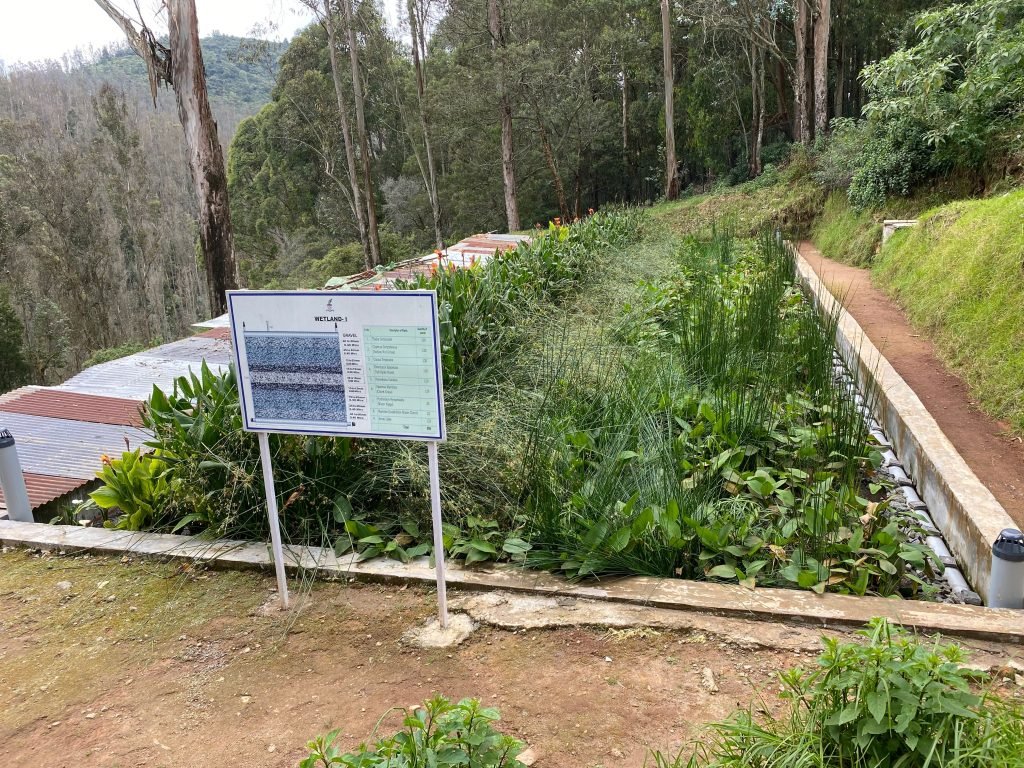
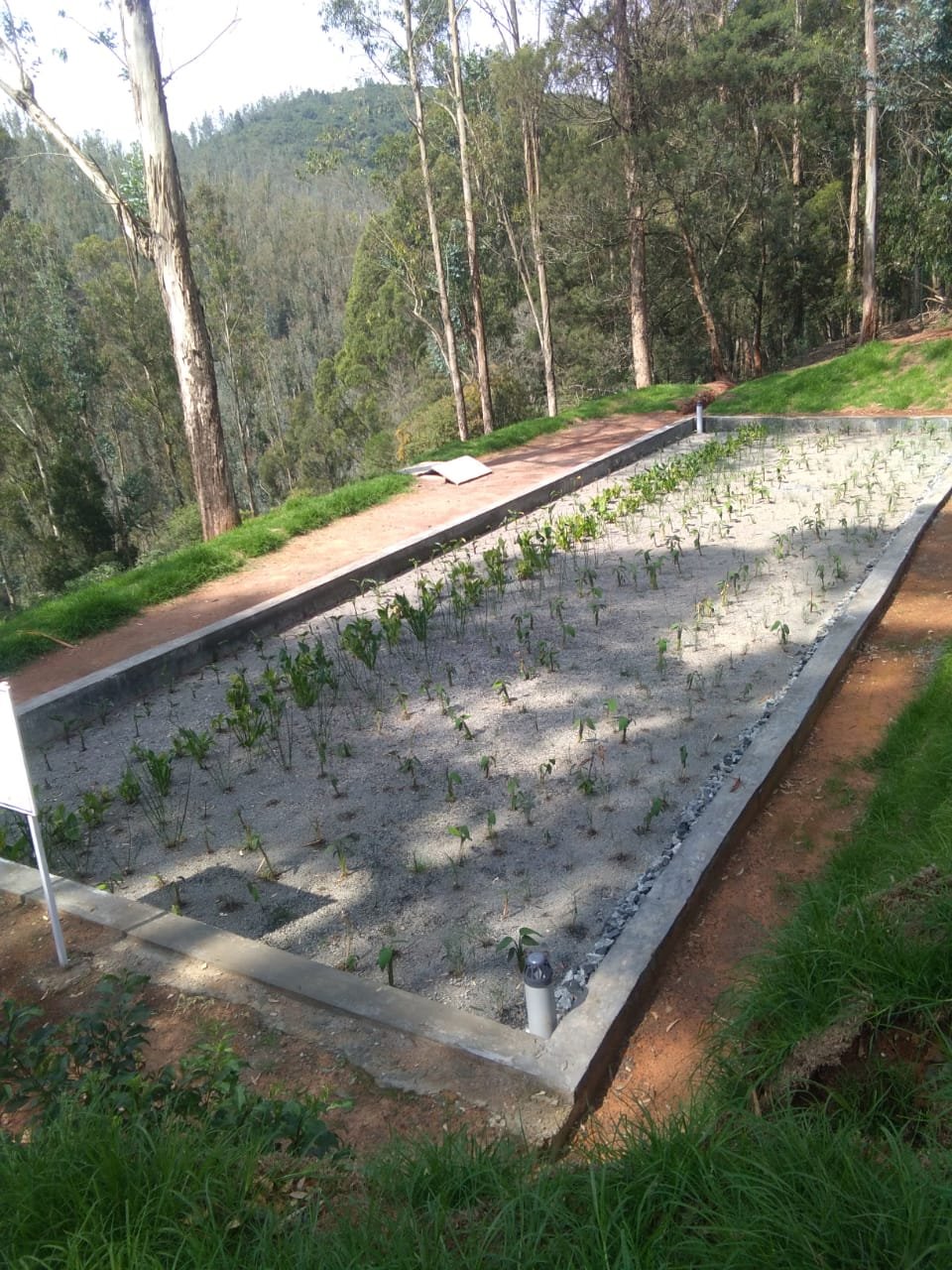
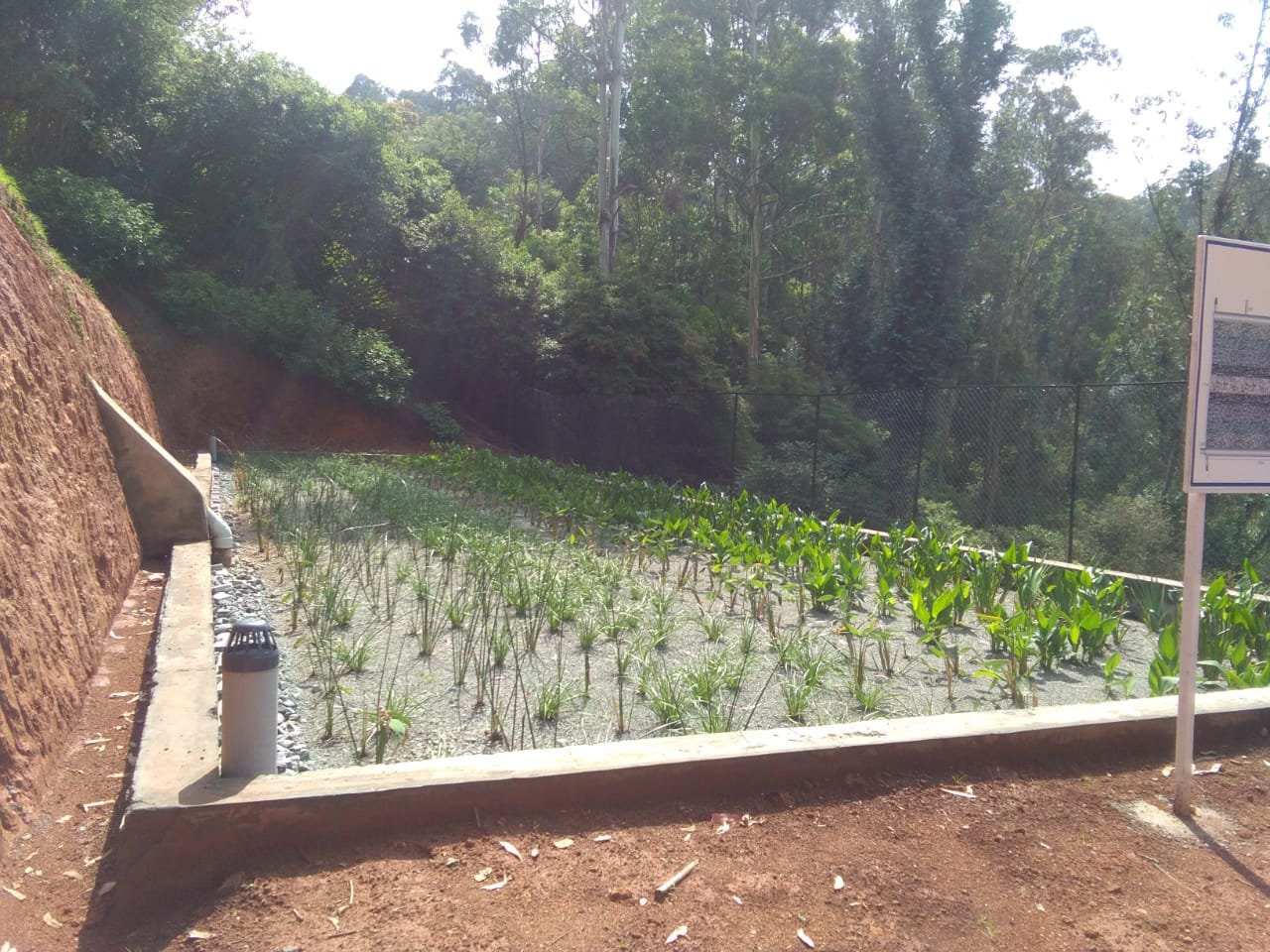
At The Lawrence School, Lovedale, Firefly supplied 13 aquatic plant species for a nature-based wastewater treatment system. Their role: support biological purification, nutrient uptake and ecological stability across planted treatment ponds.

The project in four numbers
Aquatic planting at Lovedale. Two ponds, thirteen species.
A carefully structured planting palette, with each growth form contributing to the ecology of treatment.
A diverse palette supporting biological purification
Aquatic planting supplied for the treatment system
Planting groups with complementary ecological functions
The brief, honestly stated
The most sophisticated part of this treatment system was already perfected by nature.
Aquatic plants do more than occupy a pond. Their root zones support microbial life, nutrient uptake and biological filtration. The brief was to establish a diverse, functional planting palette that could support treatment while adding ecological value to the campus.
What was really happening
From wastewater to a resource worth recovering.
Aquatic plants work alongside microorganisms and engineered treatment stages. Each stage prepares the water for the next.
The wider treatment journey is shown here. Firefly’s documented contribution was the aquatic planting palette.
The Firefly move
The plants were part of the biological infrastructure.
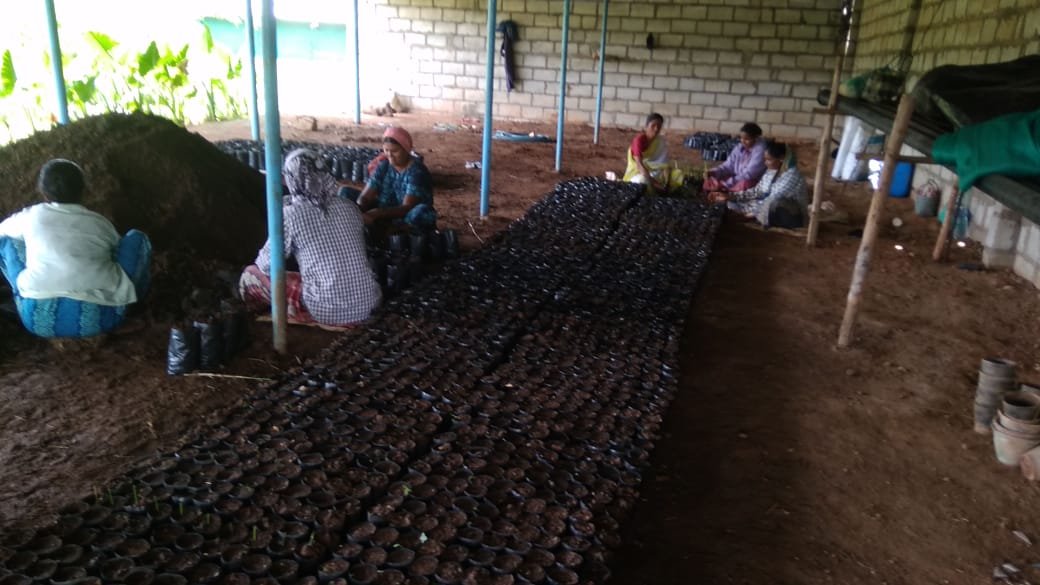
Different species, growth forms and root structures were brought together to support complementary ecological processes.
Right plant, right purpose
Select aquatic species suited to wetland conditions and the ecological functions of treatment.
Diversity builds resilience
Bring together 13 species with different growth forms and root structures.
Different zones, different jobs
Allocate planting across treatment ponds and groundcovers to support complementary functions.
Roots become infrastructure
Establish living surfaces for the microbial communities that contribute to purification.
The practical difference
The real work happens beneath the surface.
Submerged roots give beneficial microorganisms somewhere to live, help plants take up nutrients and contribute to natural filtration. The greenery is the visible part of a much larger biological workforce.
Explore living water↗
Start here
Aquatic
plants
Microbialplants
activity Nutrient
uptake Natural
filtration Ecological
stability
From the living system
What looks like a garden is quietly doing the work of treatment.
Ecological contribution
Wastewater became an opportunity for ecological regeneration.
Aquatic planting supports purification, nutrient cycling and habitat, while making the campus treatment system a visible opportunity to learn.
A biological system supporting treatment and potential reuse
Diverse vegetation supporting nutrient uptake and microbial activity
Aquatic planting that brings ecological diversity into campus infrastructure
A visible example of nature-based treatment on a school campus
Planting figures are supplied by Firefly. Reuse and discharge depend on verified water quality and applicable requirements; this case study does not report laboratory treatment-performance results.
What this project proves
The future of treatment may look a little more like nature.
At Lovedale, Firefly’s planting contribution shows how living vegetation can complement engineered infrastructure and bring ecological and educational value to essential campus systems.
Bring us your site challenge↗