Guest rooms in Firefly’s project brief
 Projects / Reethi Faru Resort
All projects ↖
Clean energy / Hospitality / Maldives
On an island,
away is an expensive place.
For Reethi Faru Resort, organic waste was a logistics problem as well as an environmental one. Firefly’s approach: keep more of its value on the island, connecting biomethanation with energy demand and cultivation.

The project at a glance
Resort food waste.
A useful biogas resource.
Scale figures from Firefly’s supplied project brief. Reactor size and the reported waste figure describe different things and should not be read as equivalent daily throughput.
Reactor size stated in the project brief
Waste figure reported in the brief; time basis unspecified
Energy use and agricultural outputs
The brief, honestly stated
Guests came for the island.
Waste still needed somewhere to go.
A busy resort produces waste continually. Shipping it away requires transport, coordination and money. Limited space makes conventional disposal difficult, while energy demand adds another recurring fuel requirement. The useful question was whether one operating problem could help answer another.
The Firefly move
Give the next output
its next job.
Four practical connections turn a disposal question into a resource-recovery system.
Separate what biology can use
Keep suitable organic material apart from plastics and other unsuitable waste. The resource stream determines the system.
Give waste a useful destination
A biomethanation reactor turns suitable organic material into gas and residual agricultural outputs.
Connect gas to a real demand
Cooking and water heating are reported uses at the resort. Generator fuel is another pathway described in Firefly’s project brief.
Bring nutrients back into use
Fermenter residues and liquid can support cultivation when suitable for the intended application.
From the island
The work behind
the postcard.
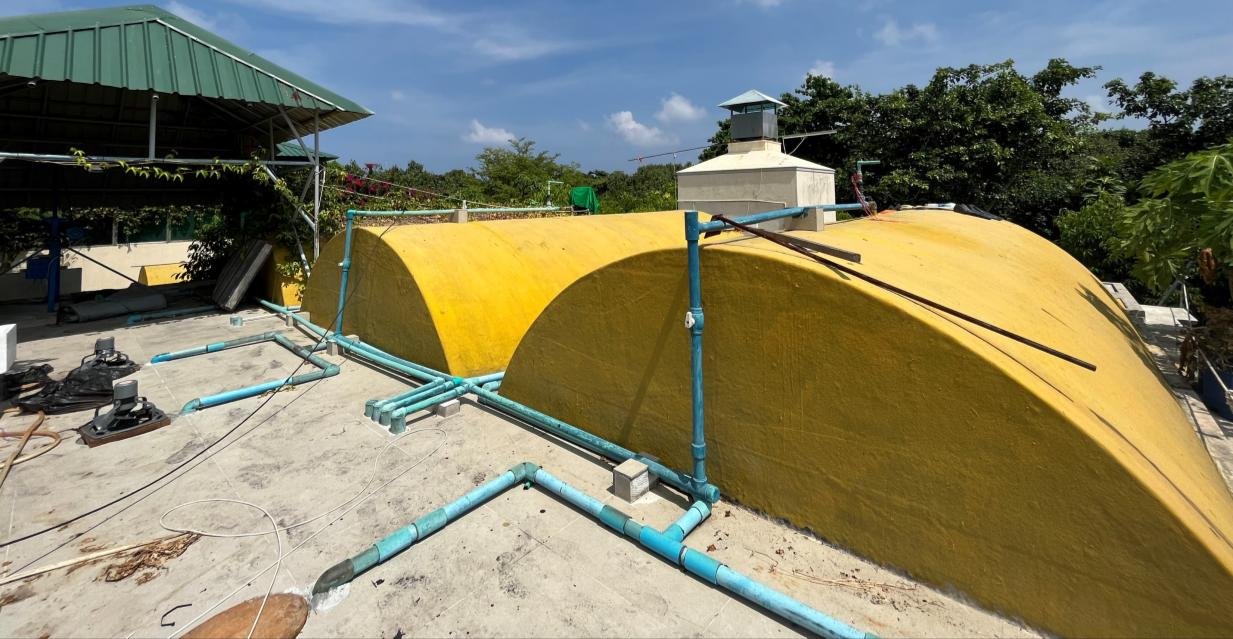
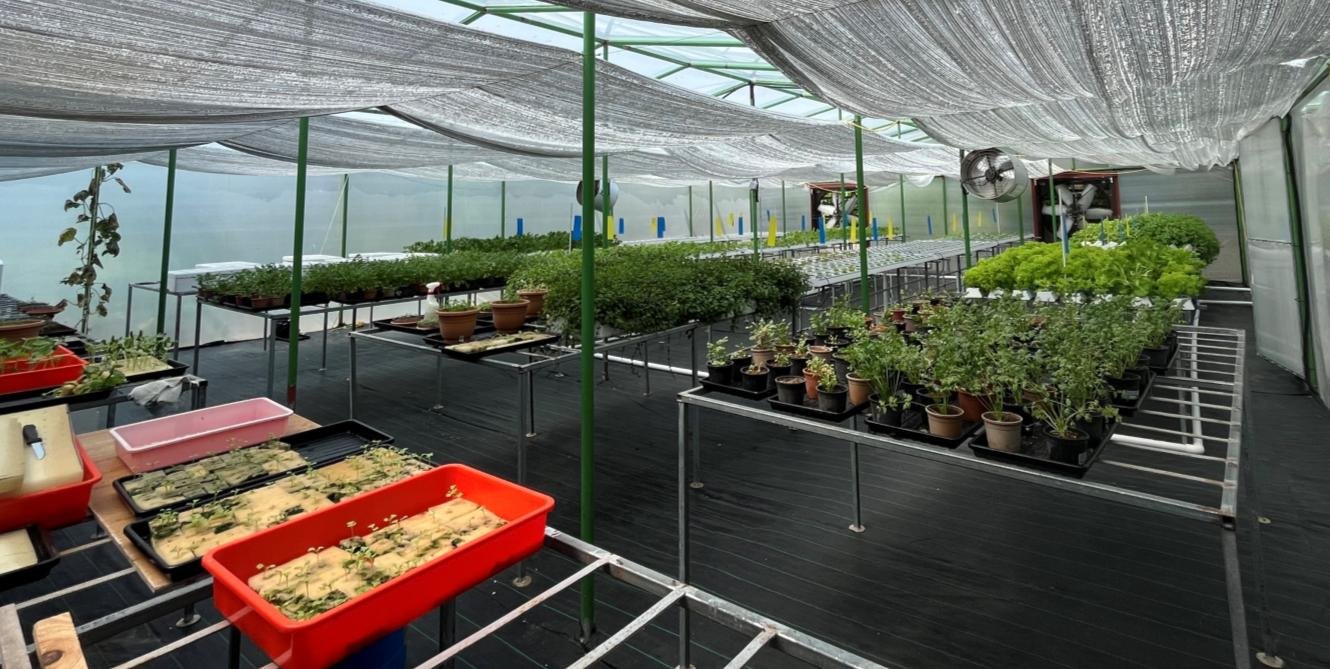
Photographs: Reethi Faru Resort, Sustainability Report 2024. The growing area illustrates the resort’s wider cultivation work; it is not presented as a measured result of this reactor.
The practical difference
Waste management
becomes resource management.
The resort reports feeding food waste into its in-house biogas plant, using the gas for water heating and cooking in the staff kitchen. Firefly’s case study describes the wider opportunity to recover energy and agricultural value.
Biogas serves an existing heat demand instead of remaining an abstract sustainability claim.
Processing suitable organic material on site can reduce the quantity needing off-island transport.
Suitable residual outputs can return to growing systems rather than become another disposal stream.
No verified electricity output, emissions saving or financial payback figure was supplied. The project brief’s two-tonne waste figure has no stated reporting period.Read the resort’s Sustainability Report 2024 ↗
What this project makes possible
The most useful resource
may already be on site.
For an island resort, keeping value in circulation is an operating decision. Start with the material available, the energy needed and the people who will run the system.
Bring us your site challenge ↗