In 30 seconds
- Managed honeybees are one part of a much wider pollinator community.
- Flowering continuity, shelter and responsible crop protection come before hive numbers.
- Training and ongoing colony care matter as much as installation.
A hive can make a farm look more ecological in an afternoon. A landscape that supports pollinators takes longer. It asks us to notice what flowers between harvests, what happens at the field edge, and which everyday practices make life harder for the small creatures doing essential work.
That is where beekeeping meets regenerative agriculture. The opportunity is larger than honey. It is to treat the farm as habitat as well as a place of production. The challenge is to do this with care, without assuming that adding more managed bees automatically restores biodiversity.
Why do pollinators matter on a farm?
Many flowering plants and crops benefit from animal pollination, although the degree of dependence varies. Bees are important participants, alongside other insects and animals. A farm’s pollination story therefore cannot be reduced to one species or a single box at the edge of a field.
The Food and Agriculture Organization emphasises the value of both wild and managed pollinators. Their contribution connects food production with the surrounding landscape. Habitat loss, fragmentation and harmful exposure to agricultural chemicals can put that relationship under pressure.
The practical response begins with observation. Which plants flower on the site, and when? What visitors use them? What resources remain after the main crop stops blooming? Those questions reveal more than a generic recommendation to install hives.
Does beekeeping automatically improve biodiversity?
No. Managed honeybees and wild pollinators are not interchangeable. A well-managed colony can be part of a farm, but counting hives is not the same as understanding the diversity or health of its pollinator community. Local conditions should shape the decision.
Start by protecting and improving habitat for the pollinators already present. Flowering plants, suitable nesting places and connected margins can support a broader community. A hive should complement this work, not become a reason to postpone it.
It is also worth separating goals. Honey production, education, crop pollination and habitat restoration are related but different objectives. Being clear about which one matters helps determine whether beekeeping is appropriate and what expertise the site needs.
What does a pollinator-friendly landscape need?
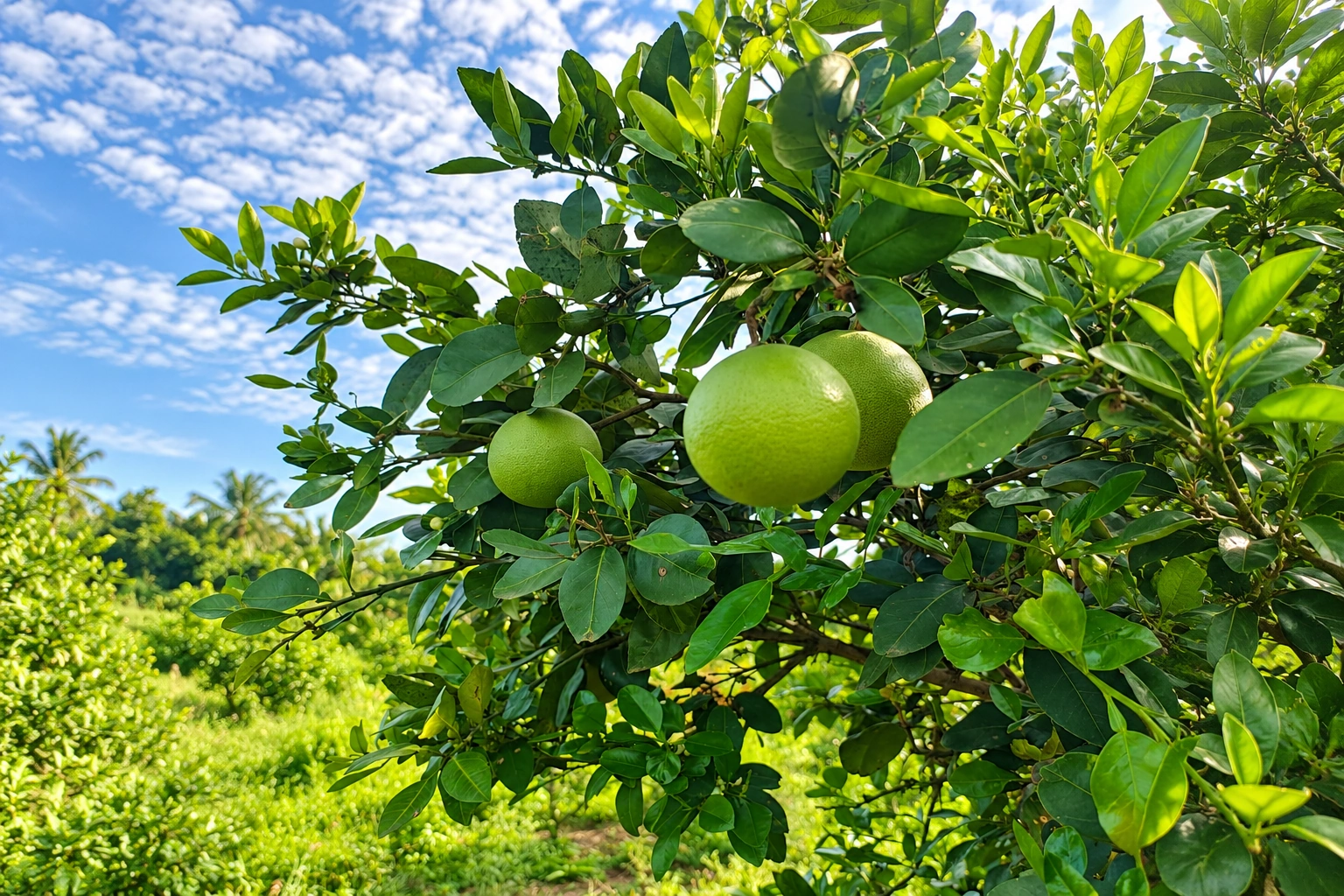
Continuity is a useful place to begin. A spectacular burst of blossom can be followed by a long shortage. Map the flowering calendar across crops, trees, hedges and groundcover, then identify gaps. Choose suitable plants for the climate and setting, with local ecological advice where needed.
Structure matters too. A site can contain cultivated areas alongside quieter margins, nesting opportunities and shelter. Tidiness should serve a purpose rather than remove every useful refuge. Maintenance plans can leave room for seasonal flowering instead of cutting the whole site on the same schedule.
FAO’s pollination guidance highlights sequential flowering, habitat and management that supports pollinators. The implication for a farm is practical: biodiversity is shaped by recurring decisions. Plant selection is only the beginning; mowing, pruning and crop protection decide what remains available.
What should you consider before installing hives?
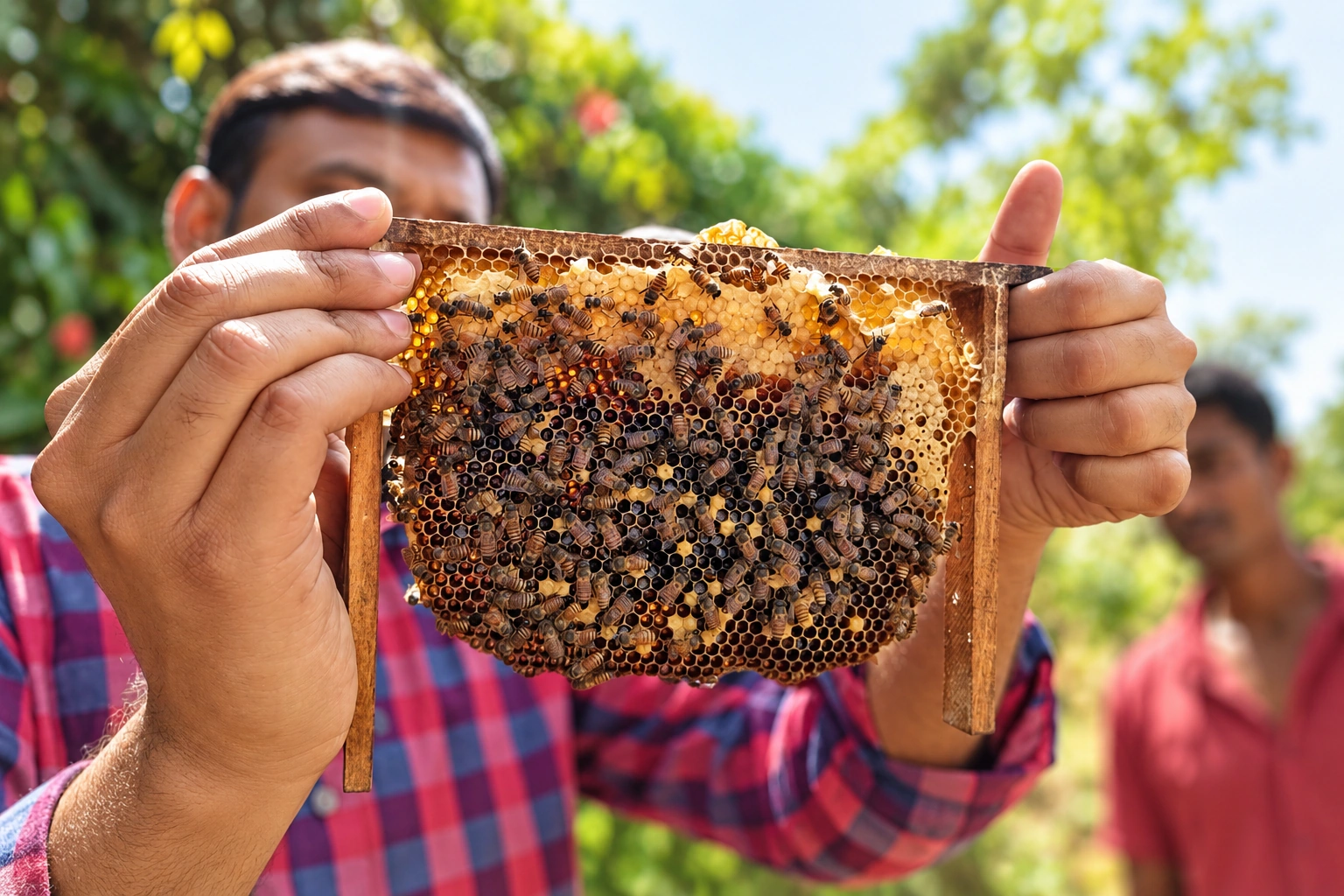
Begin with experienced local guidance and appropriate beekeeping training. Colony management is continuing work. A site needs someone who can inspect colonies, recognise problems, keep records and seek specialist help. Buying equipment is not the same as building that capability.
Consider the people around the proposed location. Paths, homes, staff areas and visitor movement affect placement. Access for care, water availability, weather exposure and the surrounding forage also need assessment. Local requirements and the appropriate bee species or management approach should be checked with a qualified practitioner.
Discuss crop protection with everyone managing the land. An integrated pest-management approach and measures to reduce pollinator exposure need coordination. A careful beekeeper cannot compensate for decisions elsewhere on the property that repeatedly undermine the colony or wild pollinators.
How do you know the approach is working?
Choose measures that match the goal. For managed colonies, keep records of inspections, health concerns, seasonal conditions and the work involved. Honey production may matter, but it cannot carry the whole assessment. A good harvest is not a complete biodiversity survey.
For the landscape, track flowering through the year and make repeat observations of pollinator activity in comparable places and conditions. Specialist surveys may be needed to identify species and assess meaningful change. Avoid attributing every improvement to hives when planting, rainfall or crop management has also changed.
Costs and responsibility belong in the record too. The best arrangement is one that people can sustain through less photogenic months. Regeneration depends on repeated care, not simply the moment a project is launched.
From a Firefly living lab
A living lab is a place to connect the pieces.
Firefly includes beekeeping within the work at The Coconut Plantation. The site also brings cultivation and resource recovery into the same operating landscape. This makes it a useful setting for asking how one practice supports another, rather than treating each activity as a separate environmental badge.
Across Firefly’s approach, the larger question remains the same: what does the site need to function better? For pollinators, the answer may begin with planting, maintenance and the people responsible for care. The hive becomes meaningful when the landscape around it can support life.
Explore the living lab ↗Practical questions
Do I need hives to help pollinators?
No. You can begin with suitable flowering plants, habitat and maintenance that supports local pollinators. Get advice on your site before deciding that managed beekeeping is needed.
Where should a beginner start?
With practical local training and an experienced beekeeper. Learn about colony care, suitable siting, seasonal needs and responsibilities before buying bees or equipment.
Can we promise better crop yields?
Not from the presence of a hive alone. Crop pollination needs, existing pollinators, weather and other management factors matter. Any claim should be supported by observations and a suitable comparison.
Sources & further reading
General guidance draws on the sources below. Firefly field notes describe the company’s own sites; they do not imply that results transfer unchanged to another property.